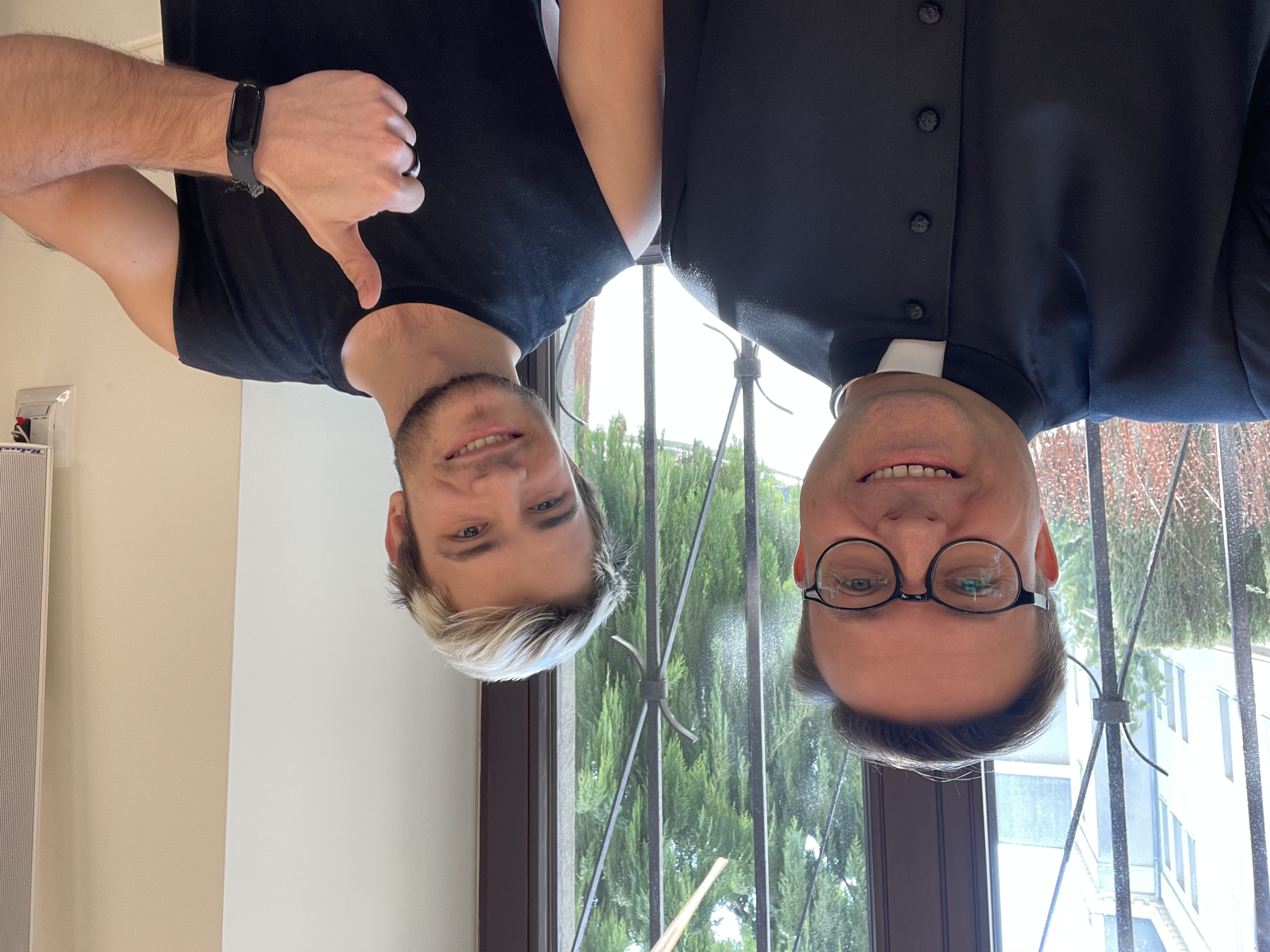
An interview with Father Marcin Jarzenkowski from the Higher Seminary in Łódź.
Ukrainian Paralympic athletes found refuge in the Łódź seminary How did they find you?
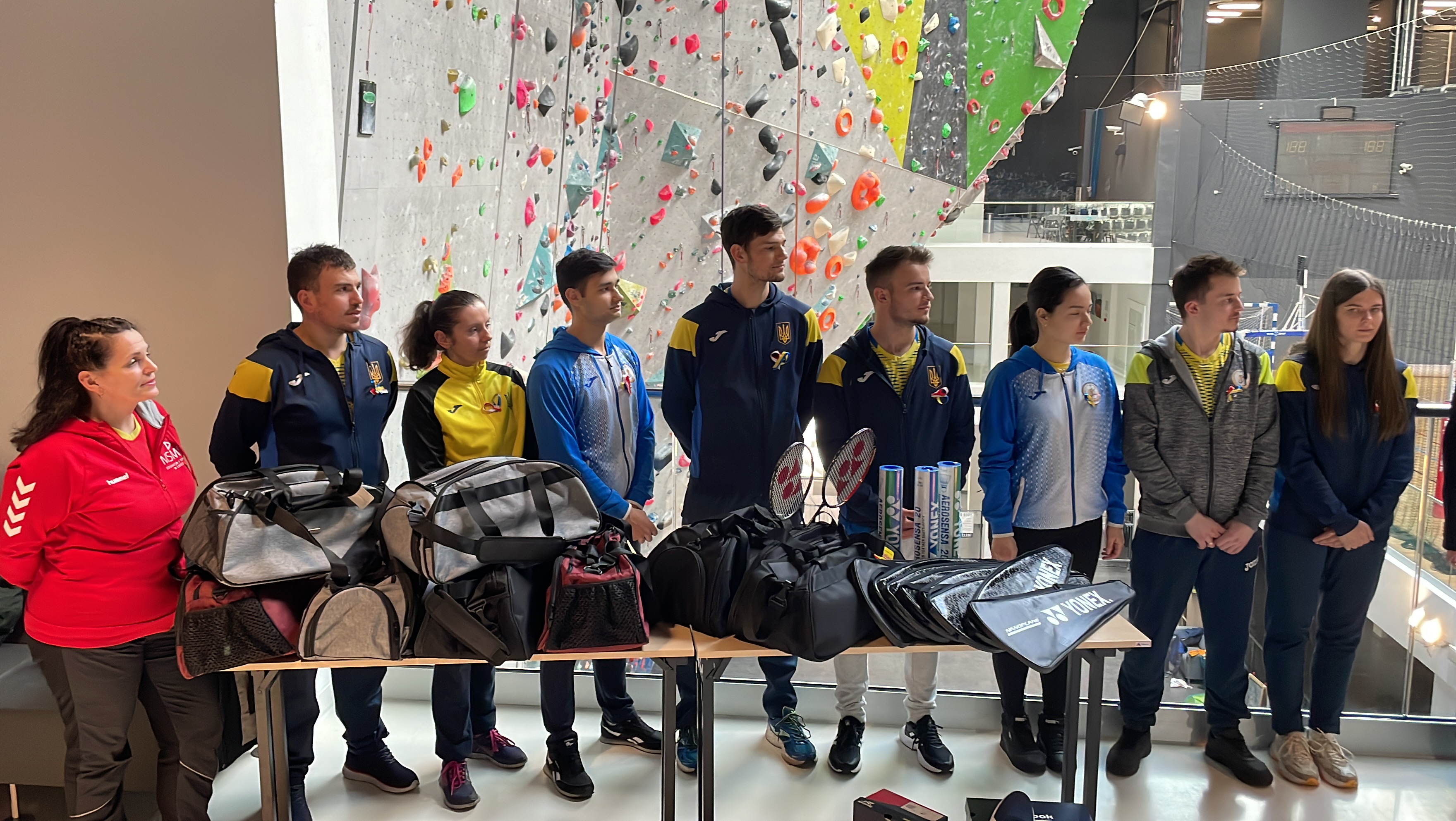
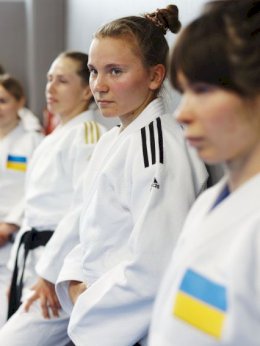
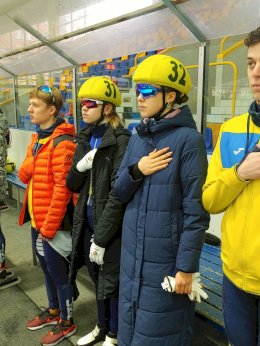
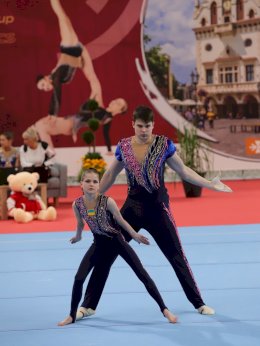
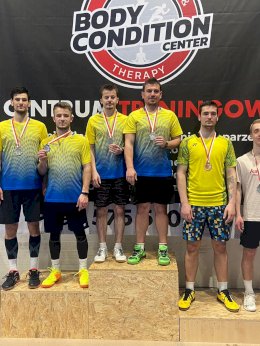
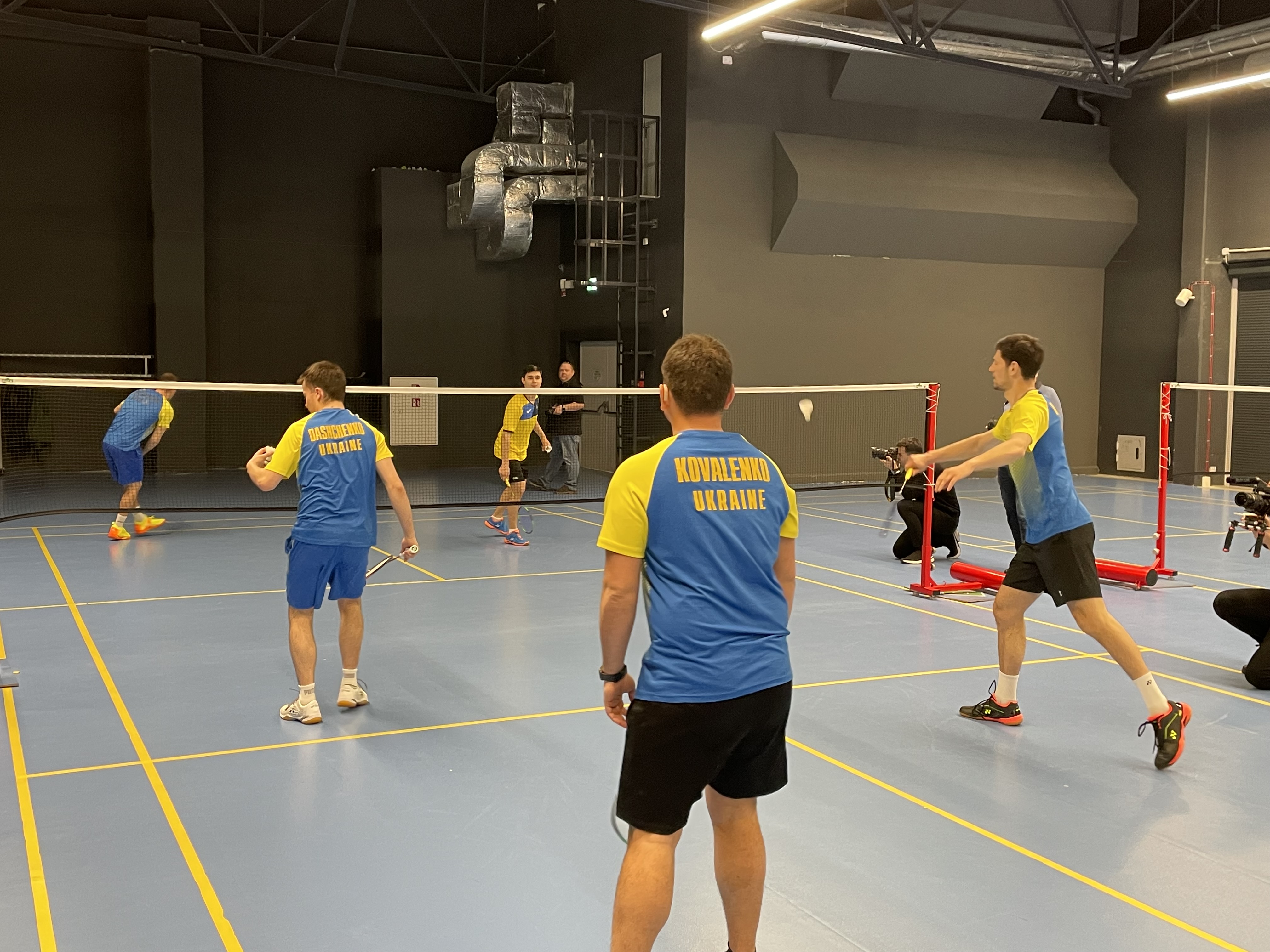
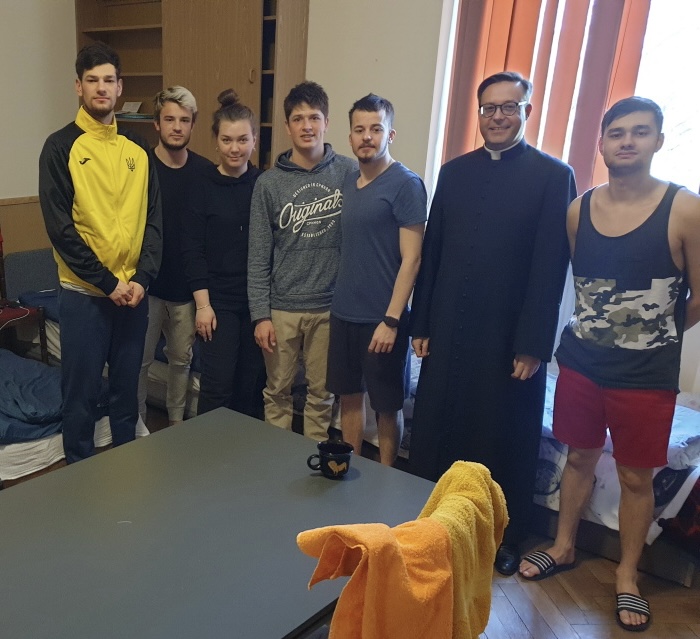
When we received information about Russia's attack on Ukraine and thousands of people fleeing from endangered areas, we immediately knew that we wanted to help. The seminary has a large building with places to stay, and we decided to put them to good use. Almost immediately, the Polish Association of the Deaf contacted us and asked whether we would provide shelter to deaf people who had to flee from the war. Of course, we started preparing the place, rearranged it – some people gave up their individual rooms – and we managed to find about 30 places for our guests. Only after their arrival did it turn out that among them were Paralympic athletes and representatives of Ukraine in badminton for the deaf. Luckily, we managed to organise everything in such a way that they could prepare for the Paralympics in Brazil. The seminar is close to the University of Technology campus and to Zatoka Sportu, where they could train courtesy of the university. Our seminary exercise room was also at their disposal at any time of the day or night.
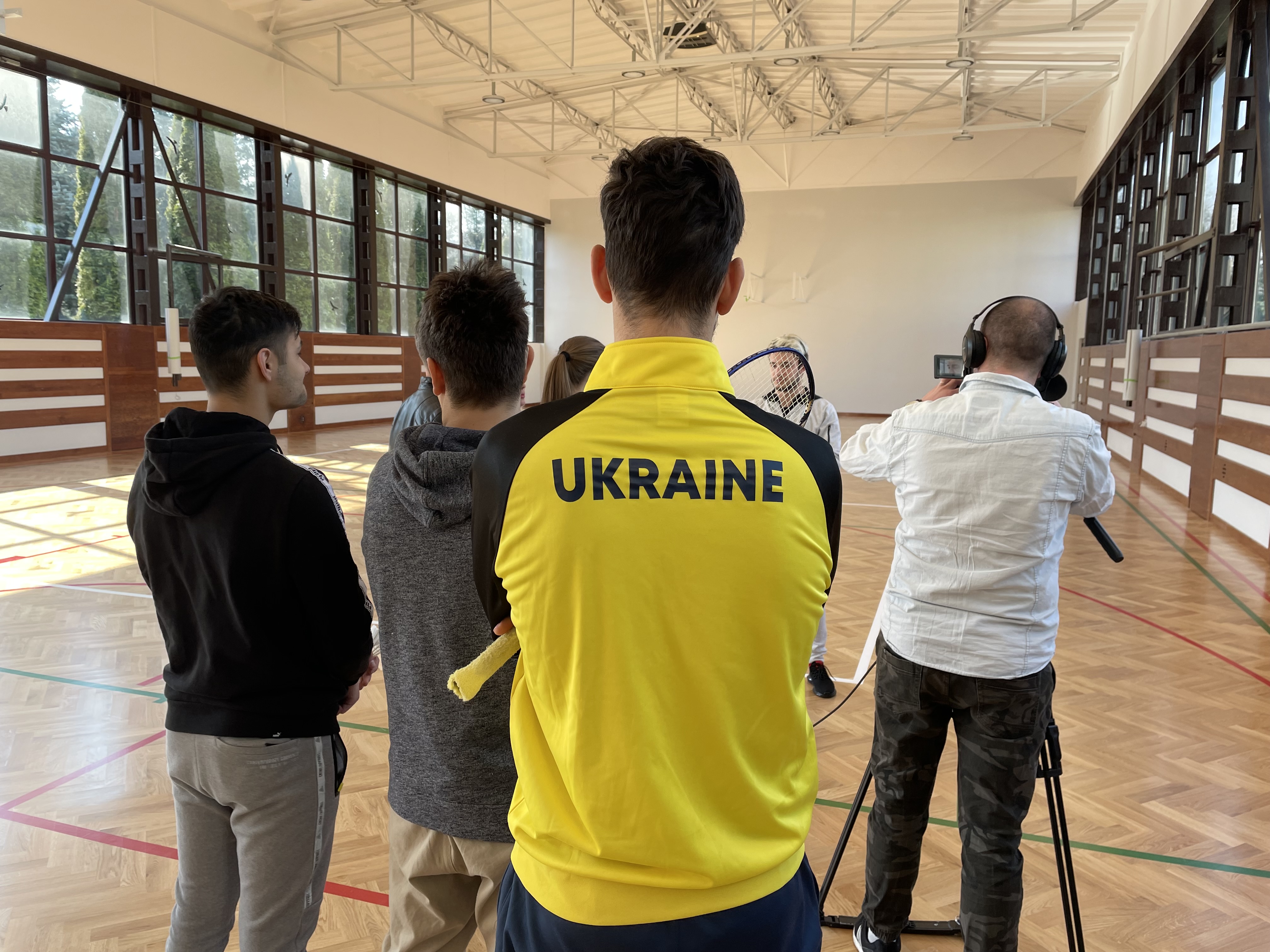
Is sport an important part of development at the seminary?
Yes, it is a very important part of human development and shaping. That's why we have an exercise room, which is currently undergoing major renovation. Our Pope John Paul II gave an example of how important sport is for psycho-physical fitness. We cannot develop properly spiritually if we neglect our body and health. In short: a healthy mind in a healthy body! Sport is also a good way to unwind. I can't imagine a young seminarian, a priest, spending hours kneeling and not being physically active, not being passionate about a sport. This is a fast track to burnout.
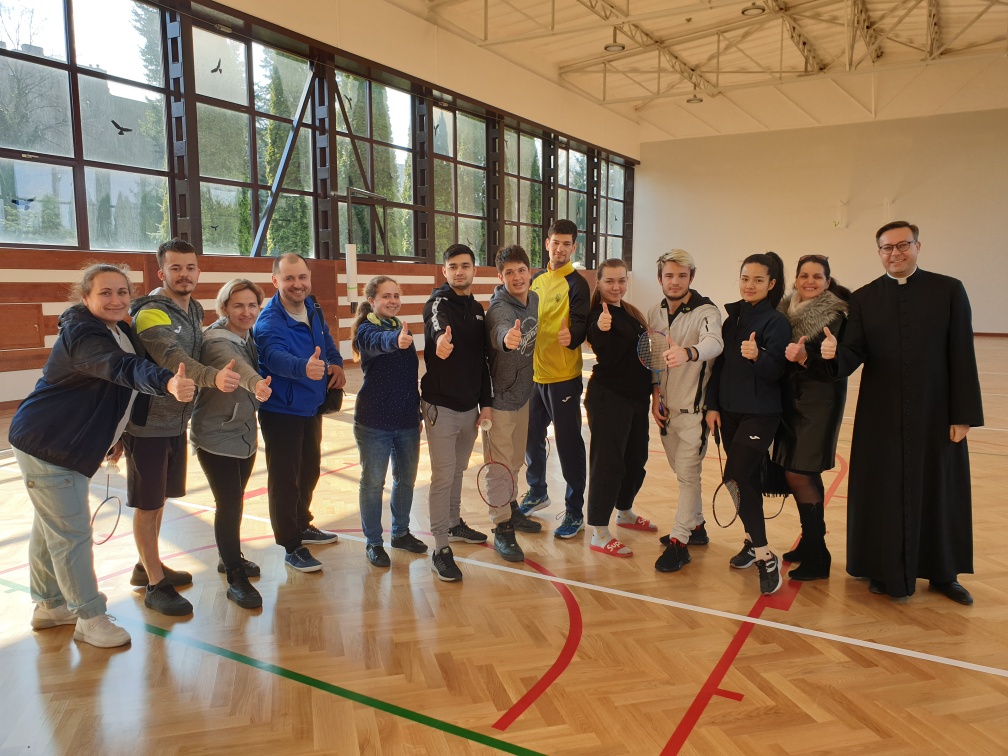
I had very close contact with Ukrainian athletes. I saw how important it was for them to be able to continue developing their passion for sports, pursue their dreams, and prepare for the Paralympics. Physical activity was also a form of therapy for them and a break from what was happening in their homeland - what they left behind on the other side of the border. They could express their emotions through sport. Although they weren't sure until the end whether they would be able to go to Brazil, that was of secondary importance – what mattered was that they didn't have to worry about their own safety, a roof over their heads and could pursue their passions.
What was your relationship like during the athletes' stay at the seminary?
Initially, we had to switch to a different form of communication. We talked mainly by writing on the phone and using a translator. This quickly ceased to be any kind of a hindrance. The seminarians found common ground with the young athletes; I can even joke that they got along without words. We helped each other with daily activities, exercised and played together in the exercise room. Every Saturday, as a way of repaying the kindness they had received, the Ukrainians helped with cleaning in the seminary and in the garden.
Ukrainian athletes lived with us all year round. I think it helped us rediscover how many evangelical values are hidden in sports and what barriers it helps to overcome. This is an important pastoral experience for future priests.
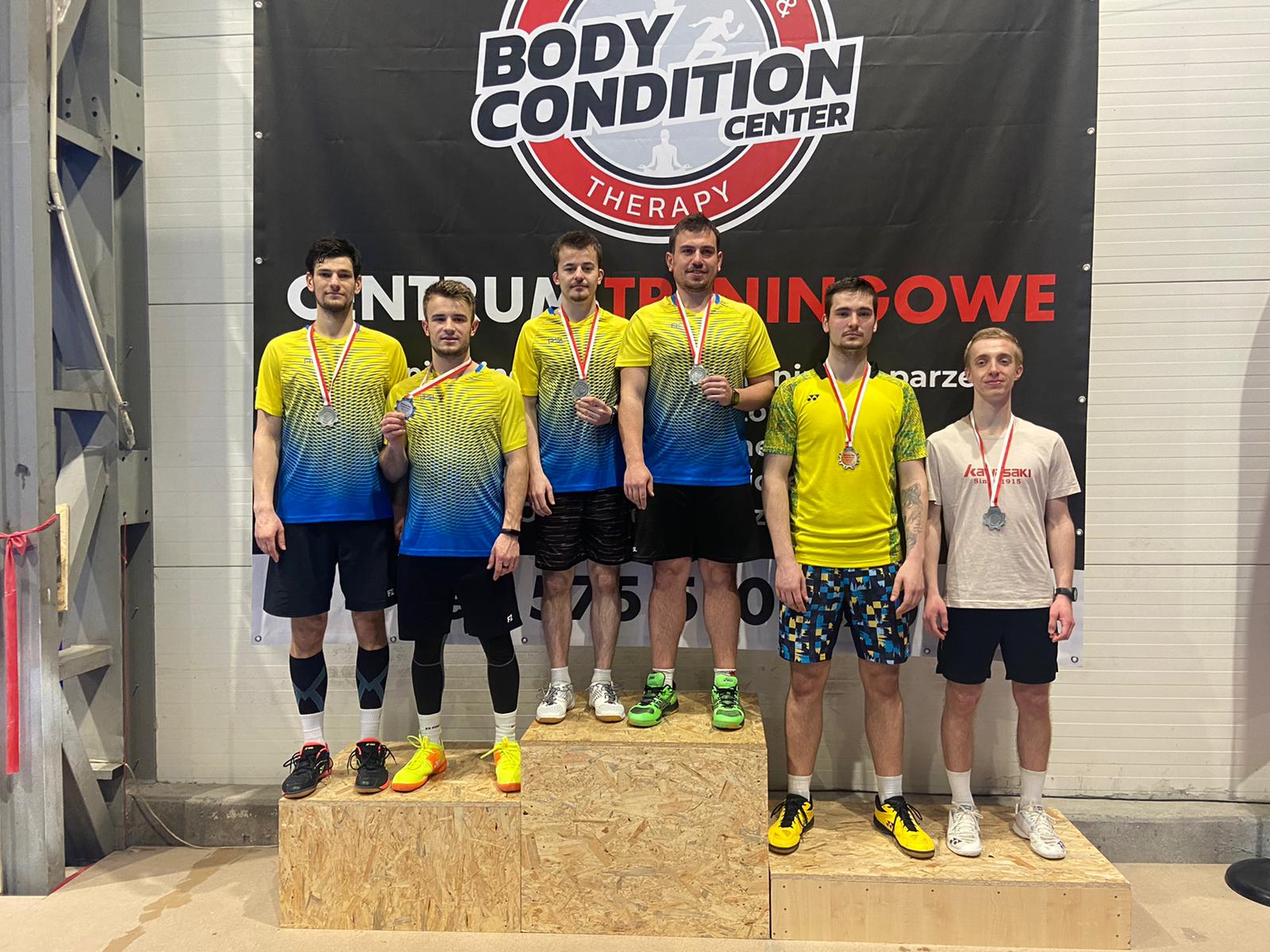
Most of the Ukrainian athletes were Orthodox, so they celebrated double holidays with us: first, they experienced them with us and then according to their own calendar. They also often came to the chapel to pray together. There were also people in this group who were not connected with any religion or church, but this did not hinder our relationship. Paralympic athletes integrated greatly into the community in which they found themselves. They went to the parish of St Peter and St Paul for meetings with Polish deaf people, and also had meetings at the Łódź branch of the Association of the Deaf.
Did this lead to success at the Olympics in Brazil?
Yes, as far as I know, Ukrainian badminton players finished high in the competition. Admittedly, only two of the athletes living with us went to these competitions, but that was the decision of the Ukrainian committee.
Has the Łódź seminary also been involved in other relief efforts?
We still host eight people at the seminary and cater for all their needs. We are involved in various fundraisers and also organise prayer actions for peace in Ukraine. In my parish, I organised a Polish-Ukrainian Way of the Cross for this intention. I invited the Auxiliary Bishop of Kyiv, Oleksandr Yazlovetskiy, to the parish fair and organised a meeting with the believers and the Ukrainians staying with us. There are many activities, commitments, and prayers for Ukraine, and it is impossible to remember them all. I believe that they will be successful and that the people of Ukraine will be able to enjoy peace.