Interview with Agnieszka Stec, President of the Social and Cultural Association “UFF!”
What does the Social and Cultural Association “UFF!” you lead do, and for how long has it been active?
The association has been active for quite a long time, and I took it over three years ago. It was set up mainly to revive the idea of the festival, which promotes folk culture presented in a more accessible, pop and modern style. After its reactivation, we organised two editions. Józef Broda took over the honorary patronage of the project.
Russia's attack on Ukraine put the event on the back burner.
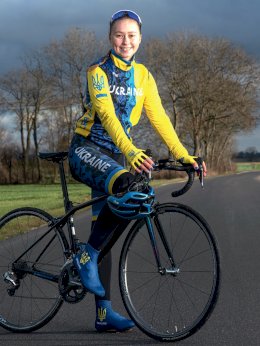
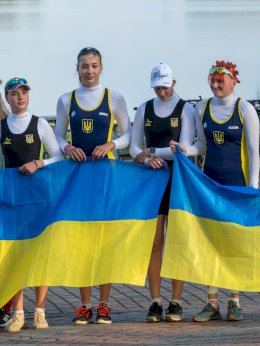
When the war broke out, I felt the need to help refugees from Ukraine. I started by helping my friends from Ukraine. I brought a few of them to Poland, and then I thought that this help should be extended. As I work in the field of culture and sport – I have been involved in the organisation of events, mostly sport-related, for 15 years – this field is very dear to me. I decided to help athletes from Ukraine. I was most concerned about young people and children. It was hard at the beginning because I started acting after the first wave, in April. Sponsors who had gotten involved earlier were reluctant to do so again. I started going to shops, collecting one mattress or chair at a time – the idea was to buy things to allow people to come and live here. I rented a building in Katowice, which I manage together with my dad Krzysztof Stec. My dad helps me a lot on a daily basis and is our guardian, a kind soul, and he makes sure everything is in top shape so that the children have everything they need. I can always rely on my dad, no matter what, and so do the children. He also does all the repairs, and even if we need to go to the children at night, he is ready to help. If it wasn't for my father, I wouldn't be able to manage the centre.
How did Ukrainian athletes join the association?
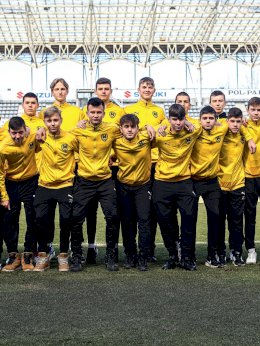
I was contacted by the secretary of athletics from Ukraine, who organised the stay of young people in different countries. She was pleased because they were looking for exactly such a facility. She asked me to accommodate 40 people. Some arrived on April 17, the rest a few days later. Coaches arrived with them. We had to start organising everything from the legal side, the financial side, as well as the sporting side. I organised training and trips to competitions for these young athletes. The president of the Silesian Athletics Association, Jacek Markowski, and the administrative director of the Academy of Physical Education in Katowice, Krzysztof Nowak, helped me a lot. We are also supported in organisational matters by the councillor of the City of Katowice – Józef Zawadzki, who, for example, arranged and donated laptops for the children to study online.
Who financed this aid?
Initially, it was the association that tried to provide support in the form of food or paying for accommodation. It was the commitment that built it up – from one mattress to a network of supportive individuals, sponsors and companies. The Mayor of Katowice also got involved in the relief efforts. We signed an agreement, everything worked out, and we have been running the facility for over a year. It is the only centre in Europe that has existed for so long. In France, Bulgaria, and Italy, aid ended after 2-3 months. Together with the coaches, we overcame difficulties and can continue to help. After all, these kids came here without their parents, so they need to be looked after all the time – psychologically, medically or in terms of training and special nutrition. They also need to have appropriate clothing, which is normal for athletes. Thanks to the Academy of Physical Education, they can use the stadium, the equipment and the gym.
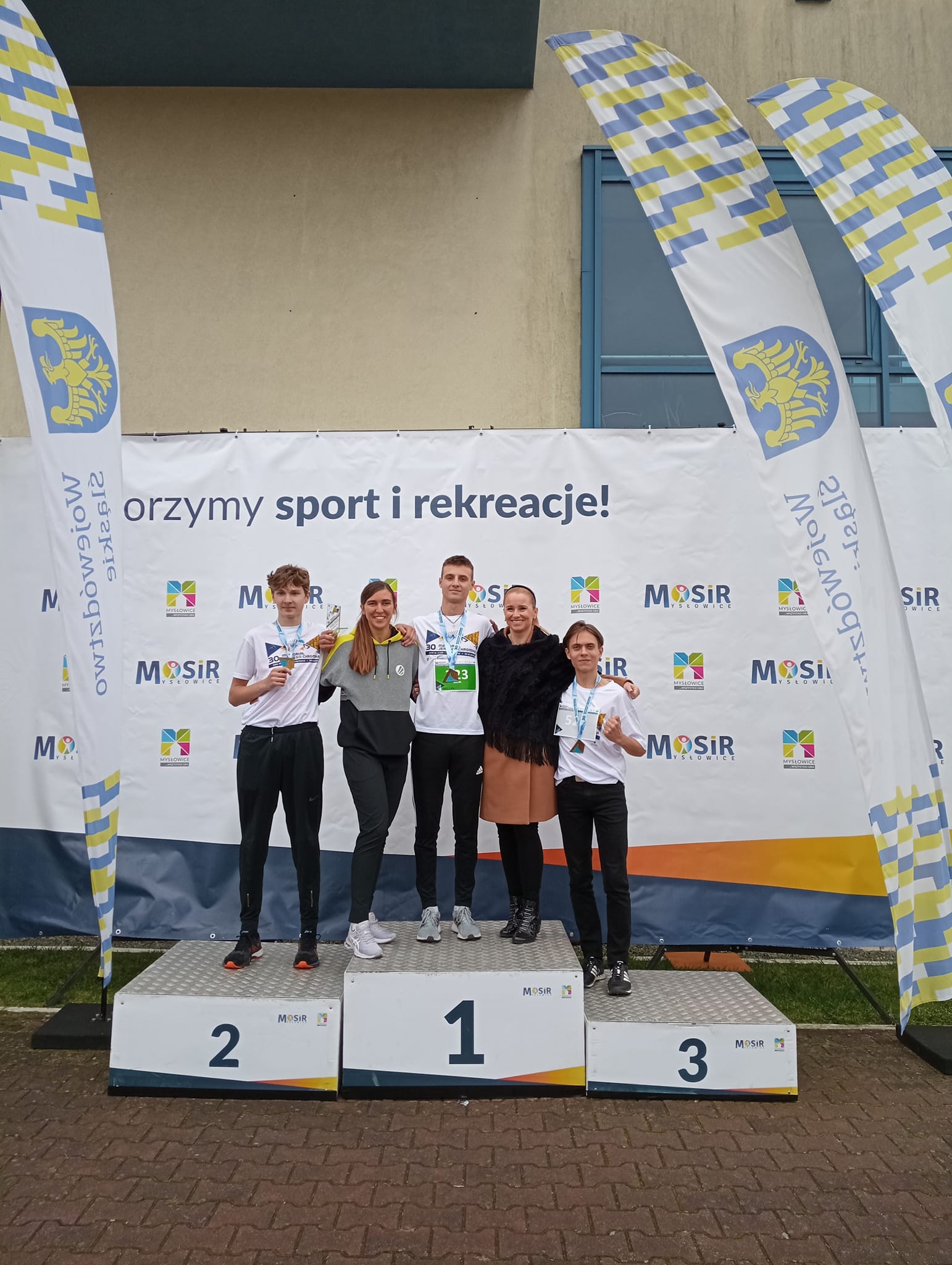
On the Ukrainian Sports Youth Facebook group, you can find photos and accounts of tournaments featuring athletes who have found refuge in your place. Are they successful?
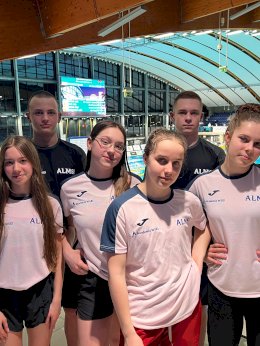
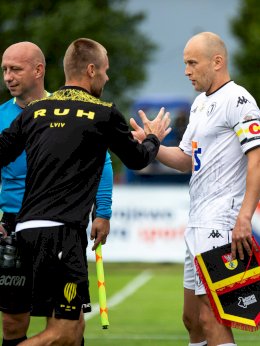
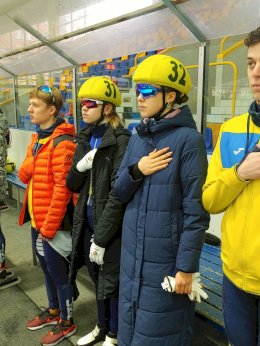
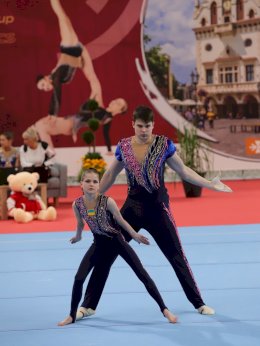
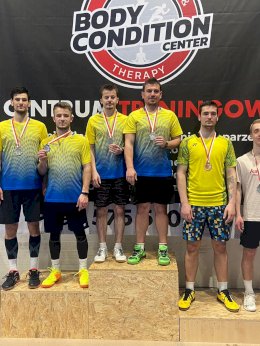
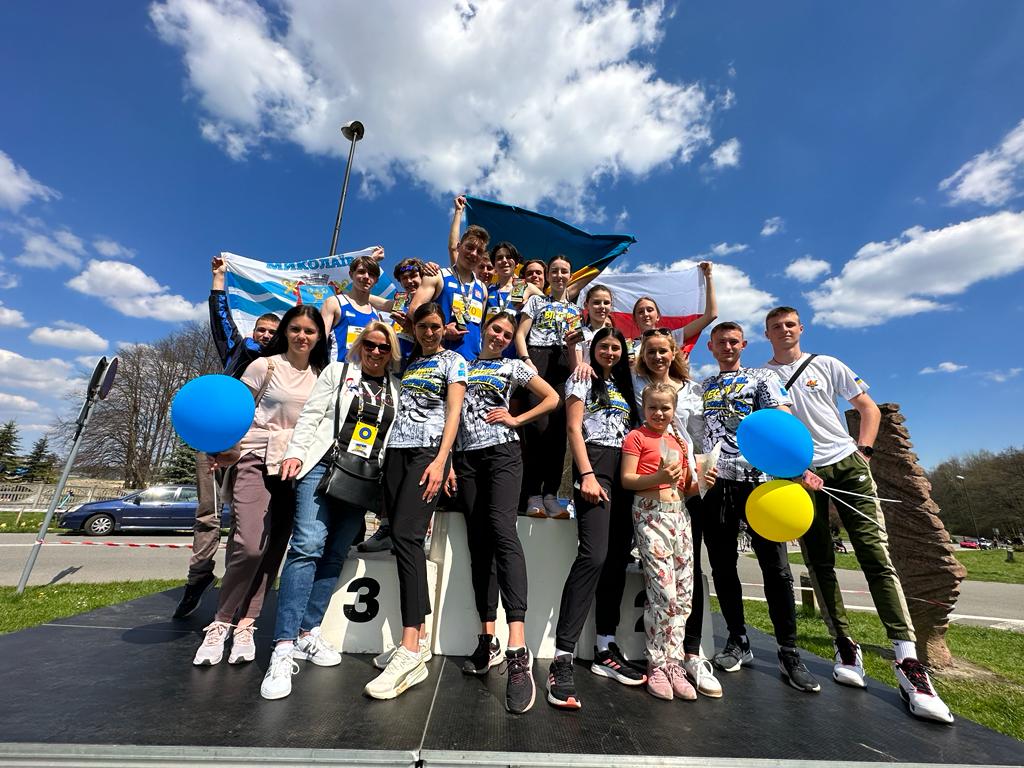
Of course! They are a talented and strong sports group – in fact, in all the competitions they participated they reached the podium. I fought for a place for them in the club because, without that, they would be out of the competitions - they wouldn't be able to compete anywhere for a medal or a cup. They have participated in the Ukrainian championships and have also reached a high position.
How old are these athletes?
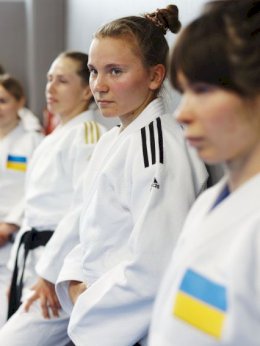
These are teenagers. Some of the boys reached adulthood during their stay in Poland. We continue to give them shelter and try to save them from the unimaginable drama that is war.
Does the association have any ideas for further help?
Recently, the Ukrainian Deputy Minister of Sport contacted me with a request for support in organising help for another group. At one point during the war, there was a quiet phase and some of our visitors wanted to return, but at the moment, the situation is getting worse again, particularly in the Kherson area, where a dam has been destroyed. The Russians blowing up the barrier on the Dnieper River and the flooding this has caused prevents hundreds of thousands of people from returning home.
Can ordinary people also join in helping Ukrainian athletes?
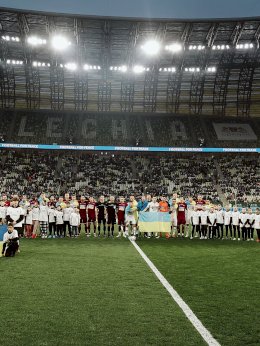
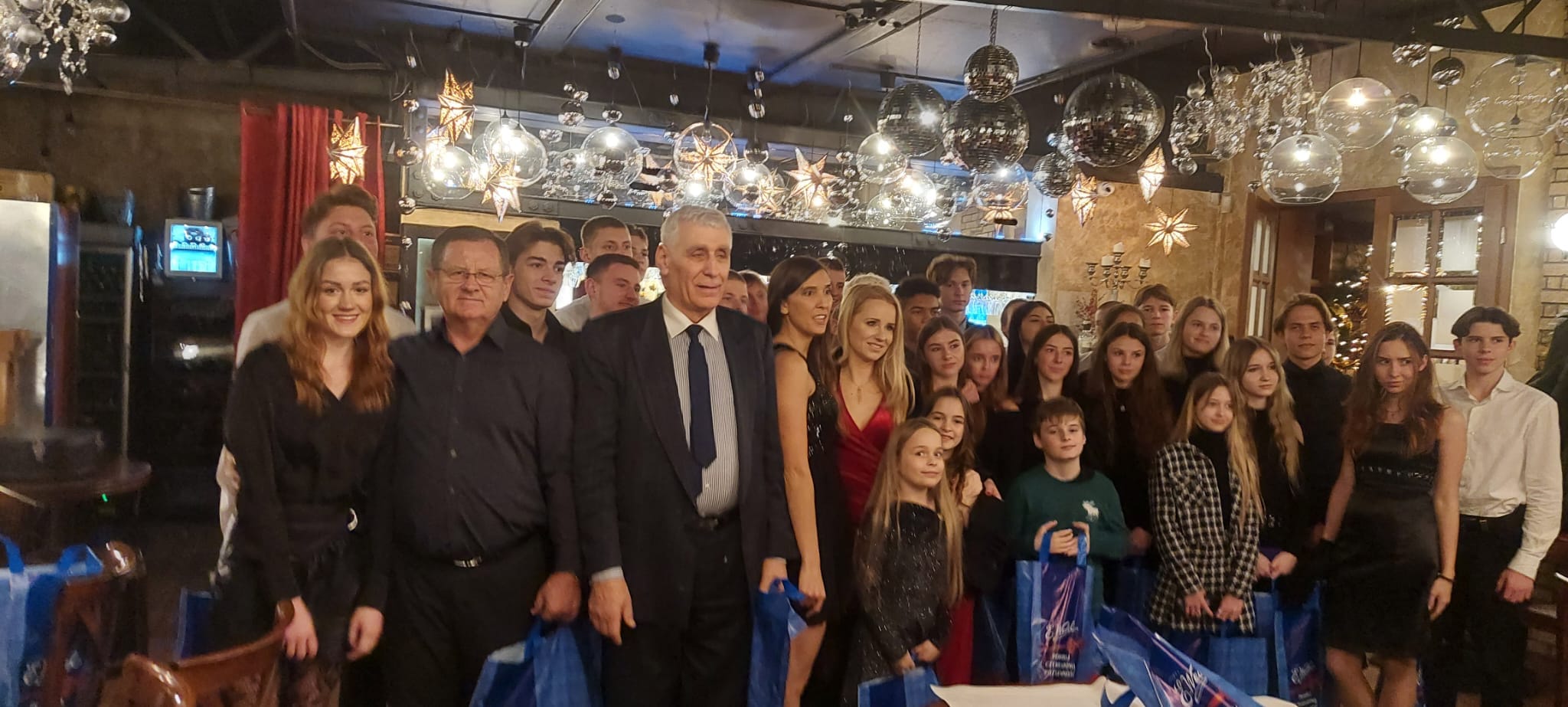
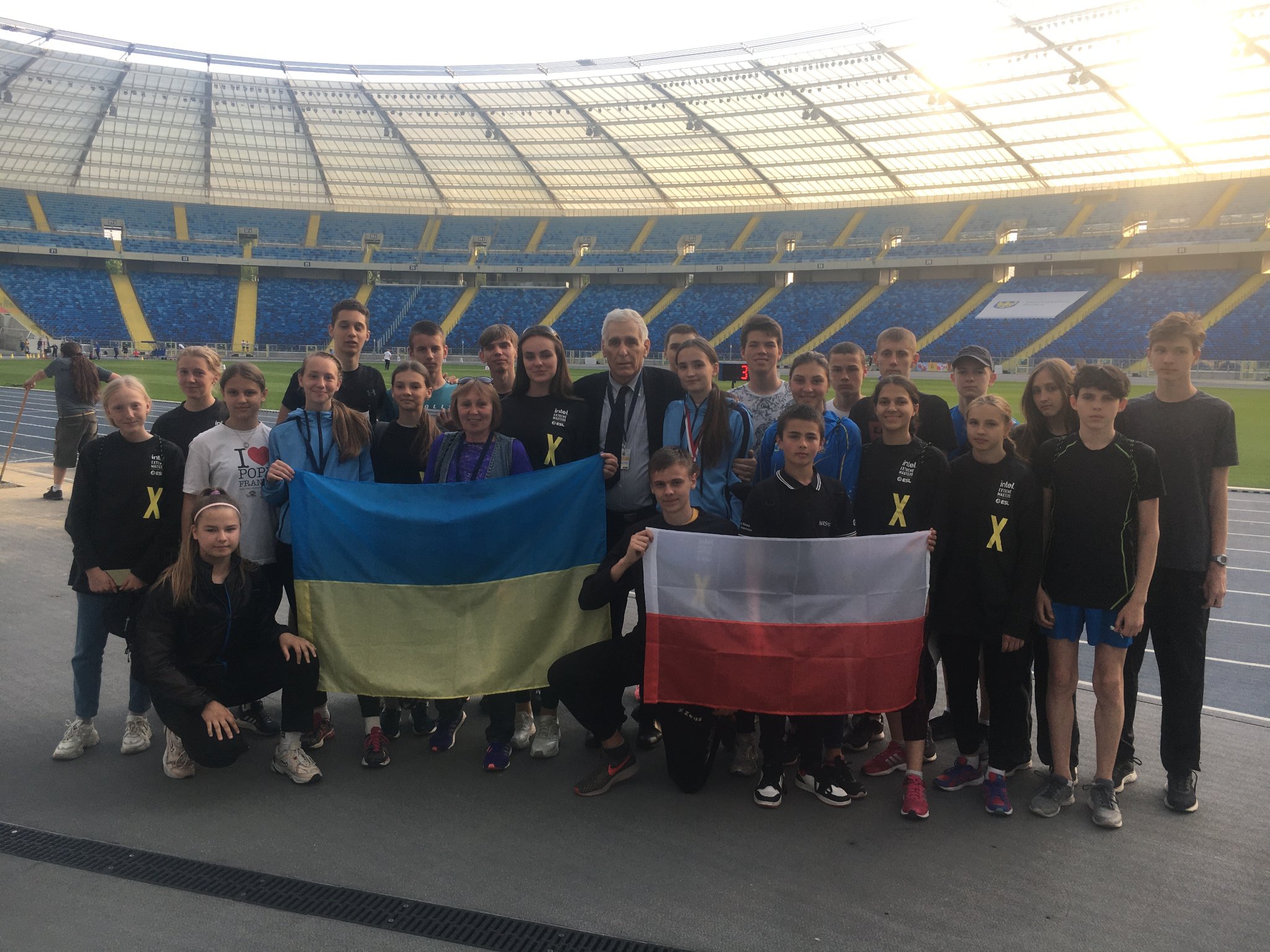
Of course, every help counts! Even your presence or a kind gesture. For example, our friend, the artist Sylwek Szweda, recently bought a guitar for a girl and organised a bonfire for us, during which he played and sang Ukrainian songs. We have a lot of costs connected with the centre every month. Sometimes, it's just about letting these children enjoy themselves. We feel like family now. We spend holidays, New Year's Eve, birthdays, and other celebrations together, and we go out to concerts and festivals. I show them our traditions, and they show me theirs. At Easter, they were with me at the basilica with an Easter basket. They celebrate Easter a week later, so they invited me to join them and they prepared their dishes. We grew close and shared lots of moments together, making it seem like this year lasted 10 years! If I can invite children to the Silesian Stadium and organise a trip for them, I just do it. Of course, nothing can replace their home and family, but we try our best to make them feel comfortable here.
What is your fondest memory of this almost year and a half of help?
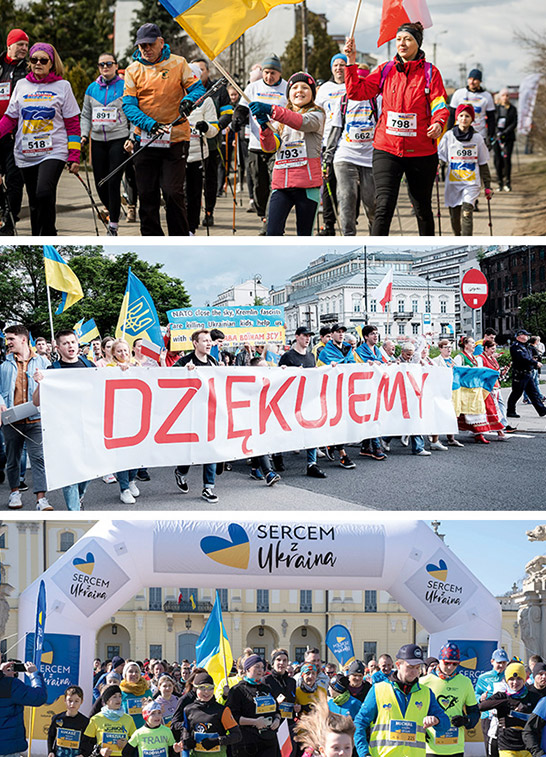
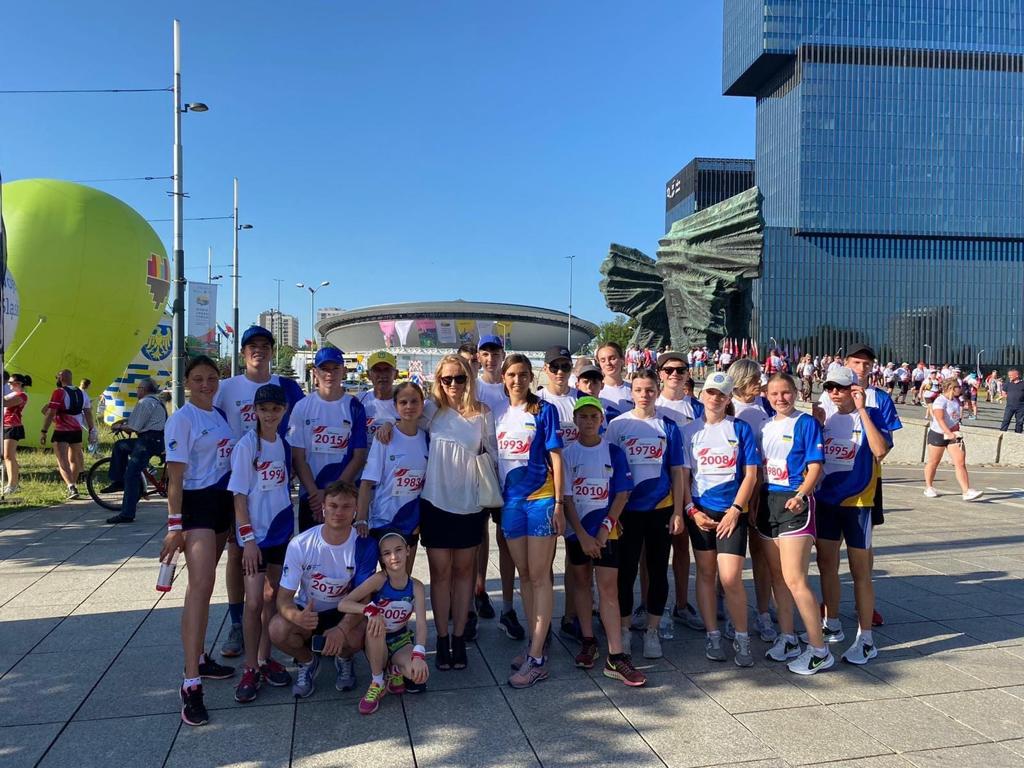
There have been many such moments because we have experienced a lot together. I remember how these young people participated in the Silesia Marathon and took part in the Run of Heroes. President Bohdan Witwicki gave them T-shirts so they could perform in their colours. I gave them medals at the finish line for their participation. Since the race was only 4 km long, when I arrived, the competitors were already at the finish line. Then it turned out that the Ukrainian athletes had taken the first places. It was a very nice experience.
I also organised a festival for them in the mountains, and I invited a star from Ukraine to give a concert. I could tell you about many such moments.
The athletes sometimes surprised me. When my daughter had her birthday, they threw her a great party. I myself received a beautiful painting with the coaches' fingerprints and handprints for my 40th birthday. It was touching.
What is it that makes sportspeople get so involved in helping people who have had to flee Ukraine because of the war?
I think it's sports solidarity. If someone is involved in sport, is interested in it or is a coach, helping comes naturally. The most important thing is that the spirit of sport doesn't die in young people, so that they can continue to train.
Let me go back to the beginning of helping. The first journey was stressful. The young people travelled for more than 17 hours from Kharkiv and the surrounding area, the most war-affected regions. We were very worried about them because that was when children and young people, especially athletes, were being deported to Russia. It was a perilous journey and a terrible experience. They had to stop six times because of the bombing. The windows on the bus were covered so the Russians wouldn't see that there were children inside. They travelled under massive stress. But sporting solidarity and the will to survive, the determination to keep training, prevailed. Because if athletes don't train, they can't achieve anything. Sometimes, it only takes a few weeks without training to see your performance quickly decline. In our group, we have the European champion in the 1,000-metre run, Roman Romanenko, who went to France in June for the championships. He moved to us because he feels at home here. We also have coach Viktoriia Kiliarska, vice-president of the athletics association in Mykolaiv, and coach Viktoriia Tambovtseva. People have such positions in Ukraine because of their experience, and when they come to us, they start from scratch. It's frustrating for them.
I wish there was an end to this war so I could send these kids home and the story would end happily. But for now, there is no end in sight, and that is the most depressing thing.